
Marketing Insights
Hashtags &
Tagging in 2026
Why They Still Matter (and How to Use Them Strategically)
We’ve all been using hashtags and tagging for years. We know what they are, how they work… right?
Maybe.
The truth is, while the symbols haven’t changed (# and @ still do the heavy lifting), the strategy behind them has evolved dramatically. Hashtags and tagging are no longer just about visibility or viral potential, they’ve become tools for storytelling, authenticity, and connection.
So yes, we still need them. Just not for the reasons you might think.
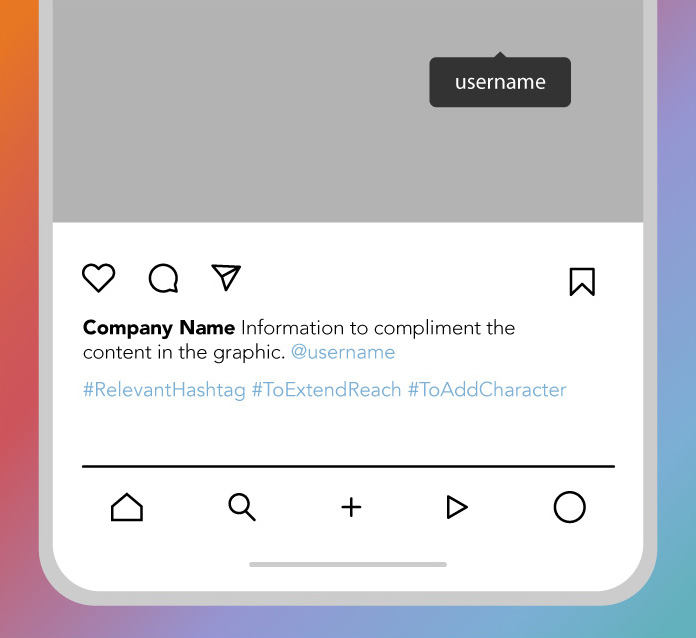

The Shift in Hashtags
From Discovery to Expression
Once upon a time, hashtags were the internet’s filing system. Add a # in front of a word, and you’d land your post in a searchable archive of similar content. It was a simple but powerful way to boost reach.
Fast forward to 2026, and hashtags have become something deeper. On most platforms, they’re no longer the key to discoverability they once were. Algorithms have grown smarter, learning from context, captions, and engagement. Instead, hashtags now serve as extensions of your message, a way to convey tone, emotion, or alignment with a larger movement.
On Meta (Facebook and Instagram), for instance, hashtags help reinforce voice more than they drive visibility. A well-chosen hashtag like #MondayMotivation or #BehindTheBrand acts almost like punctuation, it adds character and a conversational rhythm to your post.
That doesn’t mean hashtags have lost all functional value. On LinkedIn and X (formerly Twitter), they’re still a core part of how users discover conversations. Hashtags like #Leadership, #MarketingTrends, or #Hiring signal relevance and help connect professionals through shared interests.
Today’s Best Practices? Use hashtags as an extension of storytelling, not a substitute for it.
The Shift in Tagging
From Attention-Grabbing to Community-Building
In the early days of social media, tagging was a way to say “Hey, notice me!” — a quick mention to get a brand, influencer, or friend’s attention.
Now, tagging has matured into something more meaningful. It’s about building relationships, celebrating partnerships, and sharing audiences.
When brands tag each other today, it’s often to show collaboration. Example? Think of a hotel tagging its interior designer or a nonprofit tagging a corporate sponsor. For creators, tagging is about mutual credibility, a public handshake that expands reach while building authenticity.
Tagging also plays a subtle algorithmic role. On Meta and LinkedIn especially, posts that include meaningful tags often perform better because they encourage engagement across multiple networks.

But the real win is human! Tagging acknowledges, connects, and amplifies, three essentials of modern brand storytelling.
Where Hashtags and Tagging Still Shine
Here’s how to use hashtags and tagging where they count, and why timing and intent matter more than ever.

Meta (Facebook + Instagram)
Hashtags: Use sparingly. They’re great for tone and brand consistency but aren’t the main driver of discovery anymore.
Tagging: Still incredibly powerful. Tag collaborators, partners, or clients to expand your reach organically and highlight shared work.

Hashtags: Vital for professional discoverability. Two to three targeted hashtags help your post appear in industry conversations.
Tagging: Use to recognize contributors, spark dialogue, or connect with thought leaders. It’s about adding value, not chasing visibility.

TikTok
Hashtags: Still algorithm gold. Combine trending tags with branded ones to balance visibility and identity (#MarketingTips + #Ocreative).
Tagging: Great for participation – you can credit creators, collaborate, or join a challenge to expand reach.

Hashtags: Helpful for categorization and search indexing, especially for evergreen content. Treat them like keywords.
Tagging: Minimal effect; focus instead on descriptive text and links that drive traffic.

X (Twitter)
Hashtags: Still essential for tapping into real-time trends and conversations.
Tagging: Best used to join discussions, credit contributors, or engage directly with audiences.
So… Should You Still Use Hashtags & Tagging?
Yes, but with intention.
Hashtags and tagging aren’t shortcuts to visibility anymore; they’re storytelling devices that bring meaning, structure, and connection to your social content.
Here’s how to use them effectively in 2026:
Be selective. Fewer, smarter hashtags resonate more than a crowded list.
Be strategic. Use tagging to strengthen relationships, not just exposure.
Be authentic. Your hashtags and mentions should sound natural, not forced.
Be adaptive. Every platform evolves, stay curious, not complacent.


Final Thoughts
Social media moves fast, but the fundamentals of connection remain the same. Hashtags and tagging still help brands be part of the conversation, as long as they’re used thoughtfully.
At Ocreative, we help brands craft social strategies that connect, not clutter. If you’re ready to refine your digital storytelling for today’s platforms, let’s talk.